About Autism Mom Help
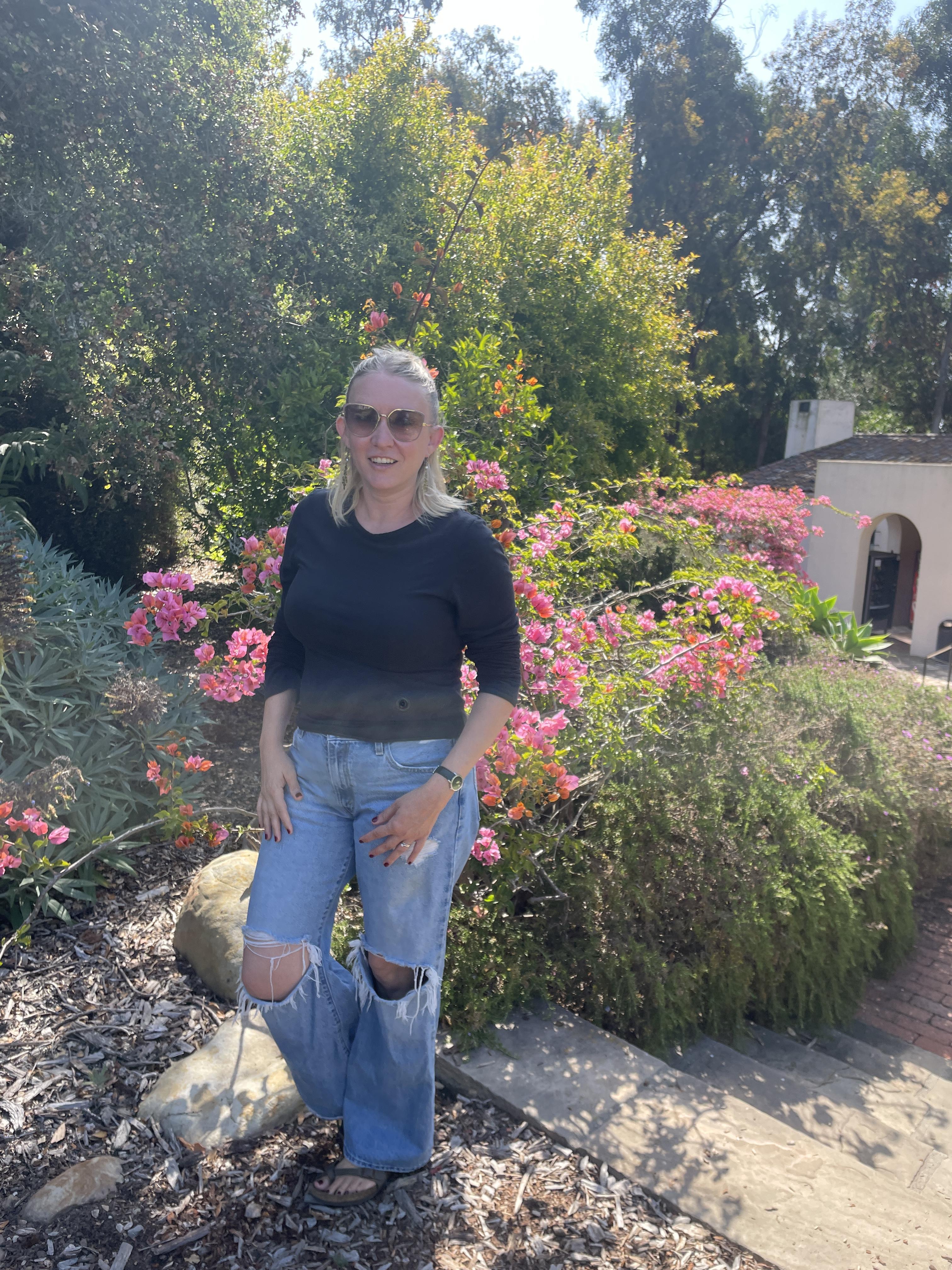
Hi, I'm Erin Vazquez.
I’m a counselor, doctoral candidate in clinical psychology, and autism mom.
After my son was diagnosed with autism in 2021, something in me cracked open. After five years without significant depression or anxiety symptoms, everything came rushing back. It was terrifying. I felt like I was falling apart and trying to keep functioning at the same time.
I had so many questions about his diagnosis, his treatments, and the systems we were suddenly expected to navigate. But the first thing I knew, deep in my bones, was that I had to stabilize my own nervous system and mental health so I could be there for my son.
With the support of therapy, I slowly came back to myself. I reconnected with parts of me that had gone quiet long before motherhood, for one reason or another. And I started to notice something else: my love for my son, and my fierce desire for him to be safe, respected, and understood, was stirring up courage I'd never previously experienced. More honest. More aligned with who I actually was.
That experience changed the direction of my life.
I went back to school to pursue my PhD in depth psychology — something I had wanted for years — but this time, I had a mission behind it to drive me through the daunting journey. I wanted to support parents after their child’s autism diagnosis, not by telling them what to believe, how to parent, or what their family values should be, but by helping them come back to their own clarity, steadiness, and inner authority.
Autism Mom Help was created for parents who are navigating the emotional aftershock of diagnosis, meltdowns, anxiety, advocacy, and the pressure to make the “right” decisions in systems that can feel overwhelming.
My work is here to help you regulate your nervous system, reconnect with your values, and move through this journey with more agency, choice, and alignment — so you can care for your child in a way that feels true to you and your family.
Today, I’m writing my dissertation on the integration process parents go through after their child’s autism diagnosis. Because I believe parents deserve more than instructions. They deserve support, dignity, and a way back to themselves.
I thank you for being here.
Authentic
Empowered
Informed
LET'S CONNECT


COMPANY
CUSTOMER CARE
LEGAL
Copyright 2026. Autism Mom Help. All Rights Reserved.