
Understanding Autism:
What parents should do after their Child's Diagnosis
Let's Get Real About Understanding the Autism Parenting Journey
The truth is, your child's autism diagnosis is the starting point of a lifelong experience that you never signed up for. And while the diagnosis delivers information that can help you understand some aspects of autism, what you weren't given were tools, frameworks, and doorways for evaluating education systems, different treatment approaches, and navigating the brutal world of insurance coverage for services (not to mention the endless service waiting lists). In fact, you probably had to go to social media to start piecing together that these are all things that you'll be doing after your child's autism diagnosis.
On top of that? You're dealing with strangers' stares during your child's autism meltdown, juggling career demands, and trying to give love and attention to your partner and other children.
It's no wonder that research has found that the physiological toll of chronic stress on mothers of autistic children can resemble stress-hormone patterns observed in combat soldiers and individuals living with PTSD.
That's why at Autism Mom Help, we create tools and resources rooted in one core belief: the demands of long-term caregiving for an autistic child deserve to be taken seriously, including what they can mean for the caretaker's mental health. We provide tools and resources to support your nervous system so that you can navigate this journey with alignment and confidence. The amount of information, treatments, philosophies about treatment, and advice you're going to find and receive along the way is like drinking from a fire hose. And because you love your child and want to do the best thing, it can be tempting to rush into something, or act out of pressure instead of alignment, before you or your child are ready.
Your child doesn't need you to be perfect. They don't need you to perfectly understand autism. But their chances of thriving start with a regulated nervous system, and it's likely they'll turn to you for examples. (Gulsrud et al., 2009)
These Are the Top 3 Things I Tell Parents to do After their Child is Diagnosed with Autism
(based off clinical training and lived experience)
1. Focus on their child as a whole, dynamic human - not someone defined by a psychological assessment.

An evaluation can tell you important things about your child's development and where they would benefit from additional support.
The diagnosis can help you access services and open the door to better understanding autism.
However, when you read the diagnostic report, it's easy to feel flooded by information about Autism that can seem largely negative, such as delays in milestones, conspicuous or non-normative behavior, and sensory regulation challenges. While these are things that you get to support your child through, they do not get to define your child.
Their brain works differently, and helping them navigate this world in a way that works for them is now a significant part of your life's work. But if you approach the journey by paying attention to the human behind the behaviors, you just may find special and surprising ways to help them foster passions, curiosities, and adaptations in social and educational situations.
I believe that our children pick up on far more than we give them credit for: just think back to when you were a child. You could sense things that perhaps you couldn't put words to, but you certainly knew what was going on. And the way we shape our child's environment helps them understand what is possible for them. So if we focus on deficits, there's a chance they'll internalize a self-concept of having something wrong with them.
There's also a chance you'll internalize that there's something wrong with you.
Instead, stay curious about their passions and interests. Pay attention to what soothes them and lights them up. Find ways to connect with the unique little being in front of you. It just may open up some magic.
2. Learn to navigate systems without losing your voice.

You've been dropped into a world that you may have known nothing about, and it makes sense you would look to experts and professionals for guidance on what to do after an autism diagnosis. However, I remember feeling pressure to make decisions quickly before I fully understood what the implications were for our son and our entire family.
While early intervention is important, just as important is your understanding and alignment with the treatments and service providers that your child is exposed to. One professional may tell you that ABA is crucial for your child's well-being, while another may insist that child-led therapies are best. There is no one-size-fits-all support plan for autistic children, and while trained professionals are experts in their field, they are not experts on your child. You are.
It's okay to slow down, tune into your intuition, do research, and ask questions. My husband and I were told there were "no other options" for our son's education when we felt uneasy about what county health workers were recommending to us. By finding support on our mental health journeys, we were introduced to a school where our son is now thriving, and being supported exactly where he's meant to be. Not being pushed or shamed into some arbitrary developmental block.
There are, in fact, options. Don't let the limitations of flooded systems and providers keep you from finding potential gems of support.
3. Take Your Mental Health Journey Seriously From The Beginning.

As you know, the actual autism diagnosis focuses on your child. As it should.
But there's a glaring blank space in that report... how that child's caretakers and support systems fit into the new picture. In other words, you. How are you supposed to understand autism as it relates to your life?
You're the one making the phone calls, coordinating appointments, making decisions, and wondering what the future has in store for you and your family. The one who is at risk of being reduced to being the person who makes the machine run, while the dynamic, curious, and well-rounded human you were before slowly fades into the background.
That identity shift, combined with carrying the logistical, mental, and emotional load of the realities of autism parenting, has been shown to affect autism parent's mental health in ways similar to combat veterans and other populations exposed to sustained trauma. (Seltzer et al., 2010).
And yet, there's no obvious bridge guiding you from your child's diagnosis to a life that you're now left putting together almost from scratch. That can leave you dysregulated, a state of being that could potentially affect your child. (Gulsrud et al., 2009)
You deserve to recognize when you're anxious, exhausted, grieving, or carrying more responsibility than you can reasonably manage alone. You deserve to ask for help. You deserve to have interests, relationships, and needs that aren't always connected to caregiving. It doesn't mean you love your child less. It means you love them so much you're willing to fight for your best self to be a part of your child's journey.
Parent Support Resources for Understanding Autism
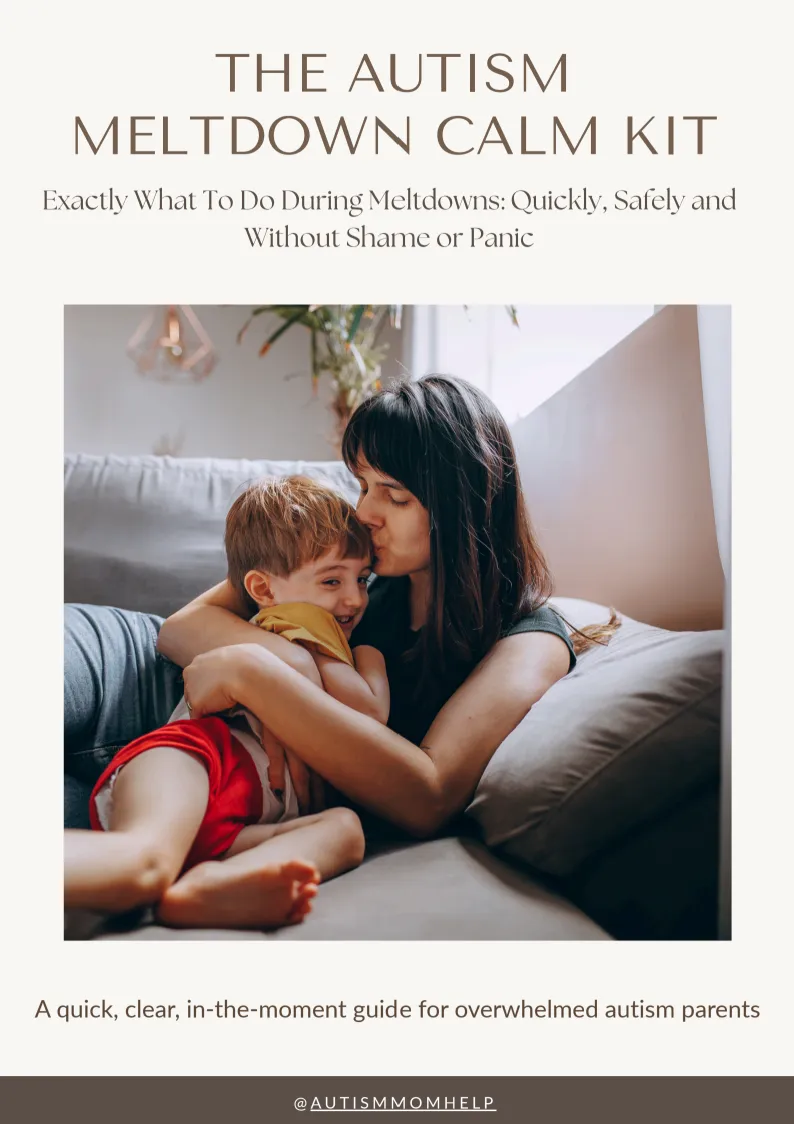
Need in-the-moment meltdown support?
Get the free CALM Kit with four simple steps, safety reminders, and scripts for handling meltdowns at home or in public.
Download your FREE Guide
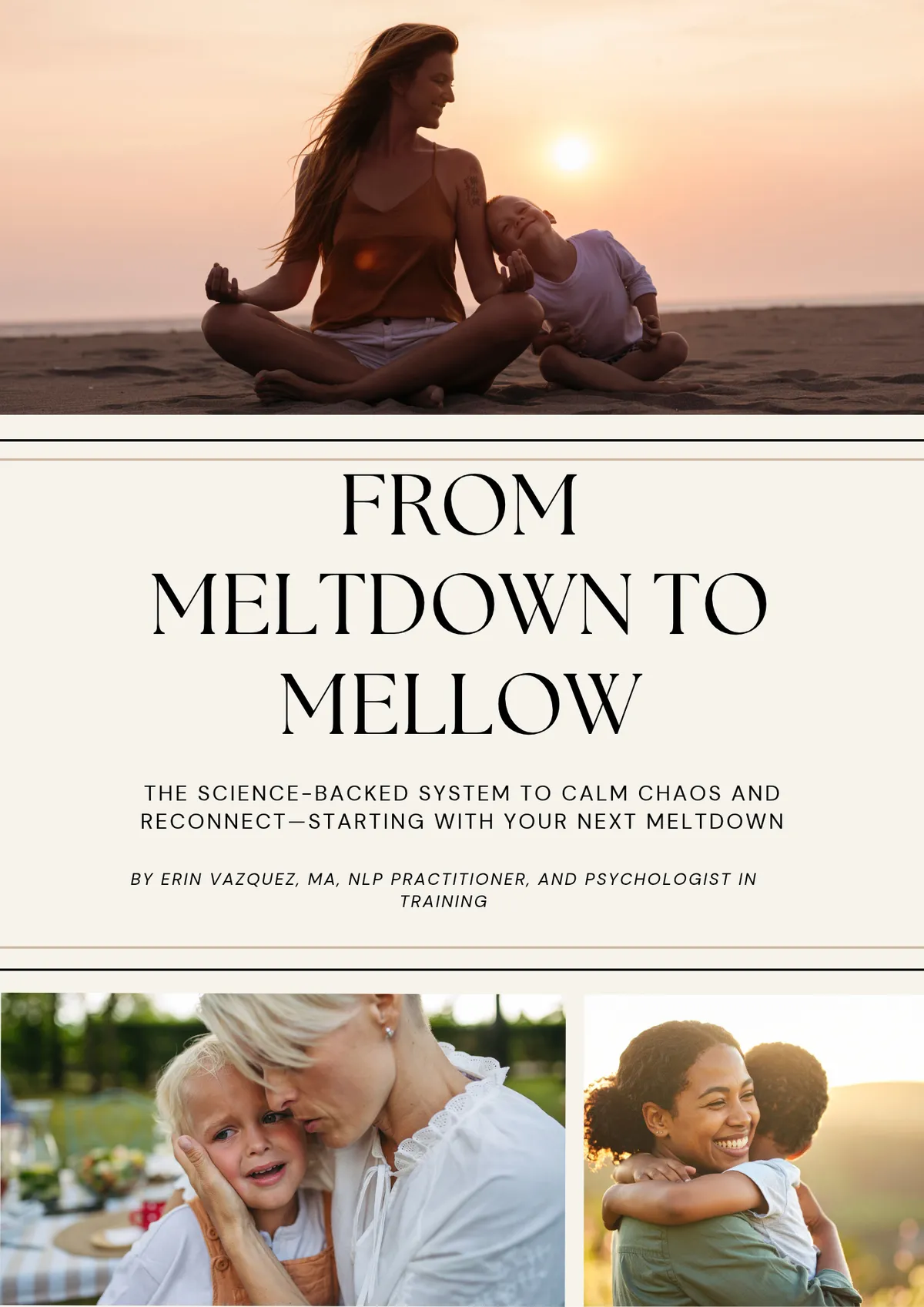
Want to reduce meltdown frequency?
Get the full Meltdown Map to recognize early warning signs, understand your child's triggers, and know what to do before, during, and after.
Get the Meltdown Map
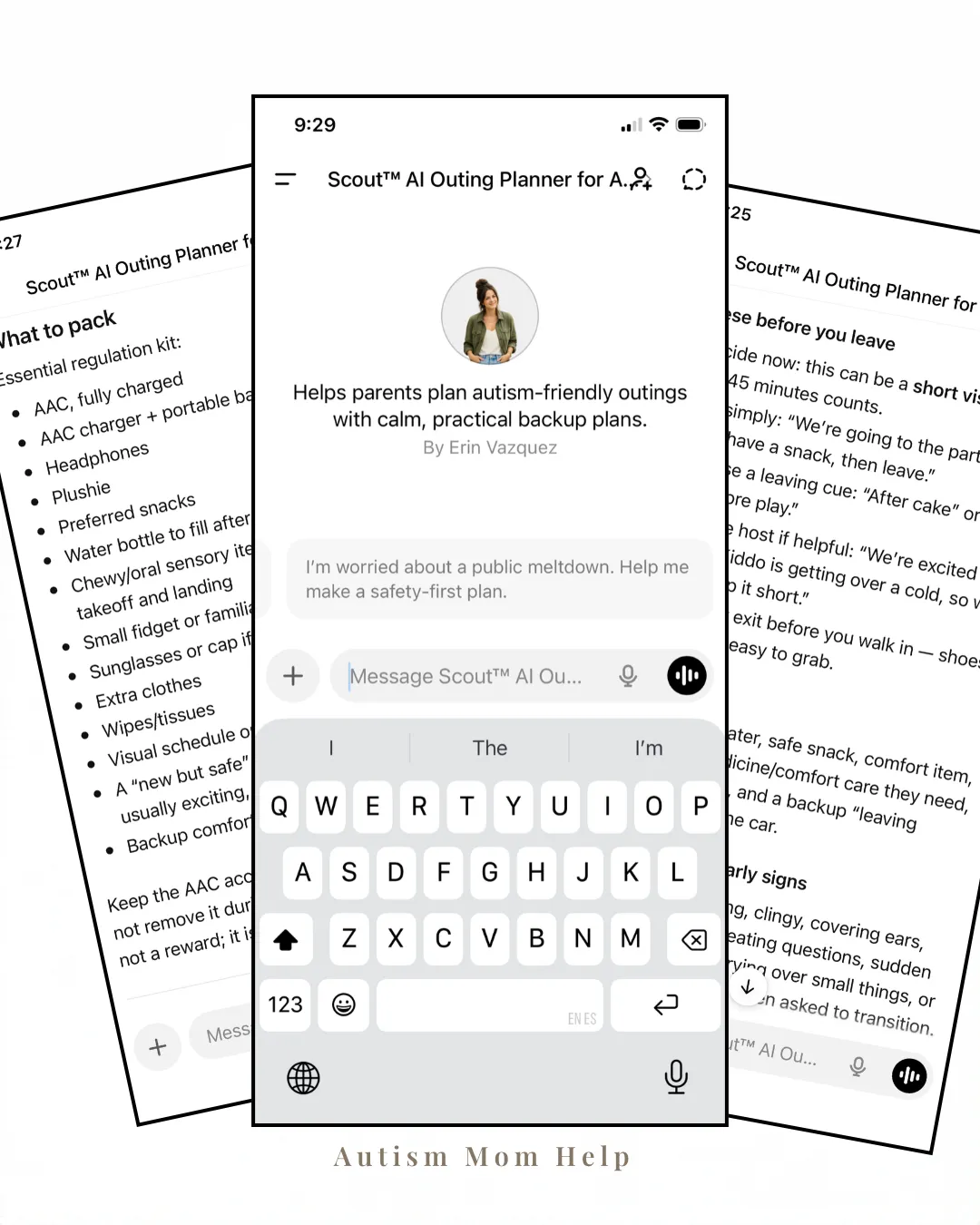
Dreading your next outing?
Tell Scout where you're going and get a personalized, sensory-smart plan covering what to pack, what to watch for, and what to do if things get hard.
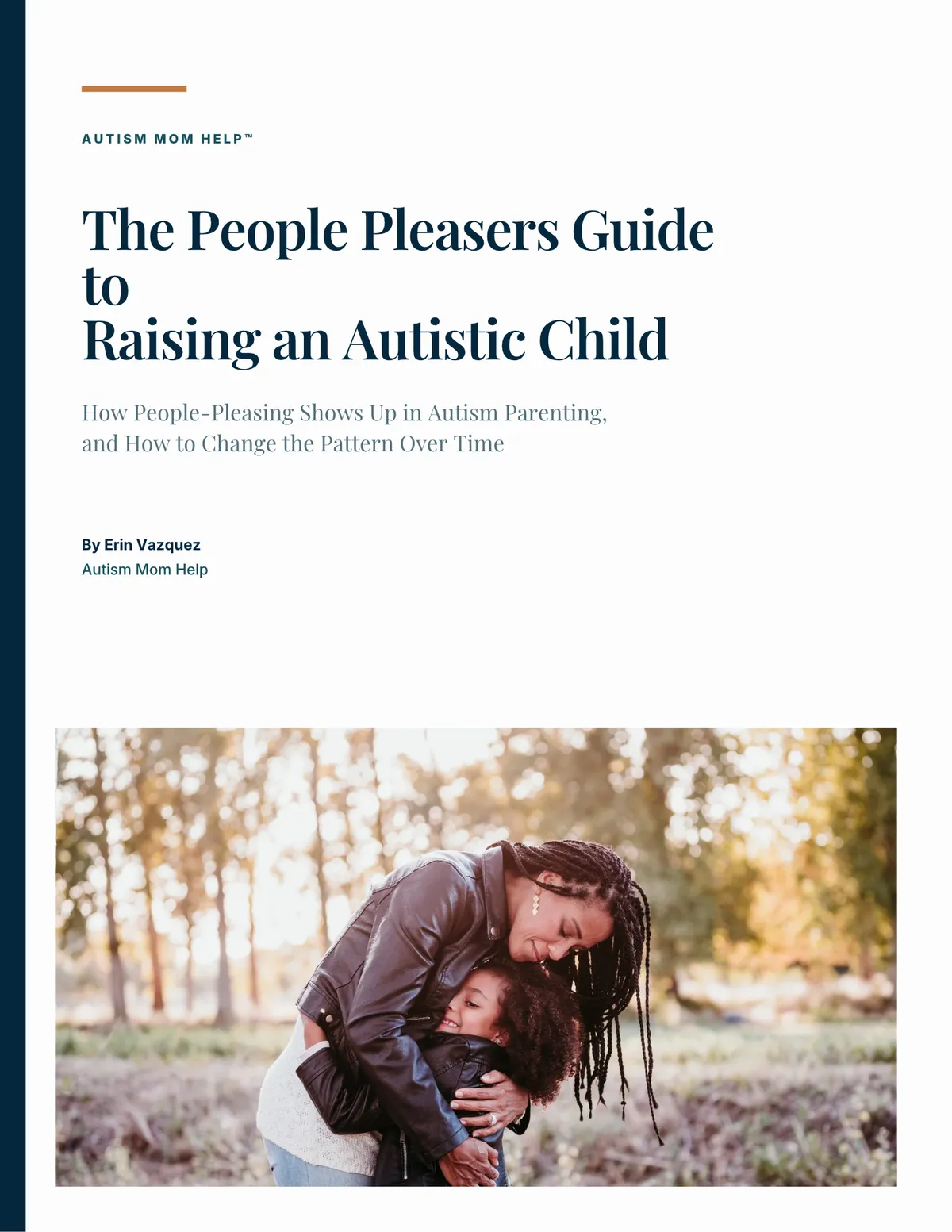
Apologizing to strangers staring at your child?
Learn why other people's reactions hit so hard, how to stop managing everyone's feelings, and what to say when someone crosses a line.
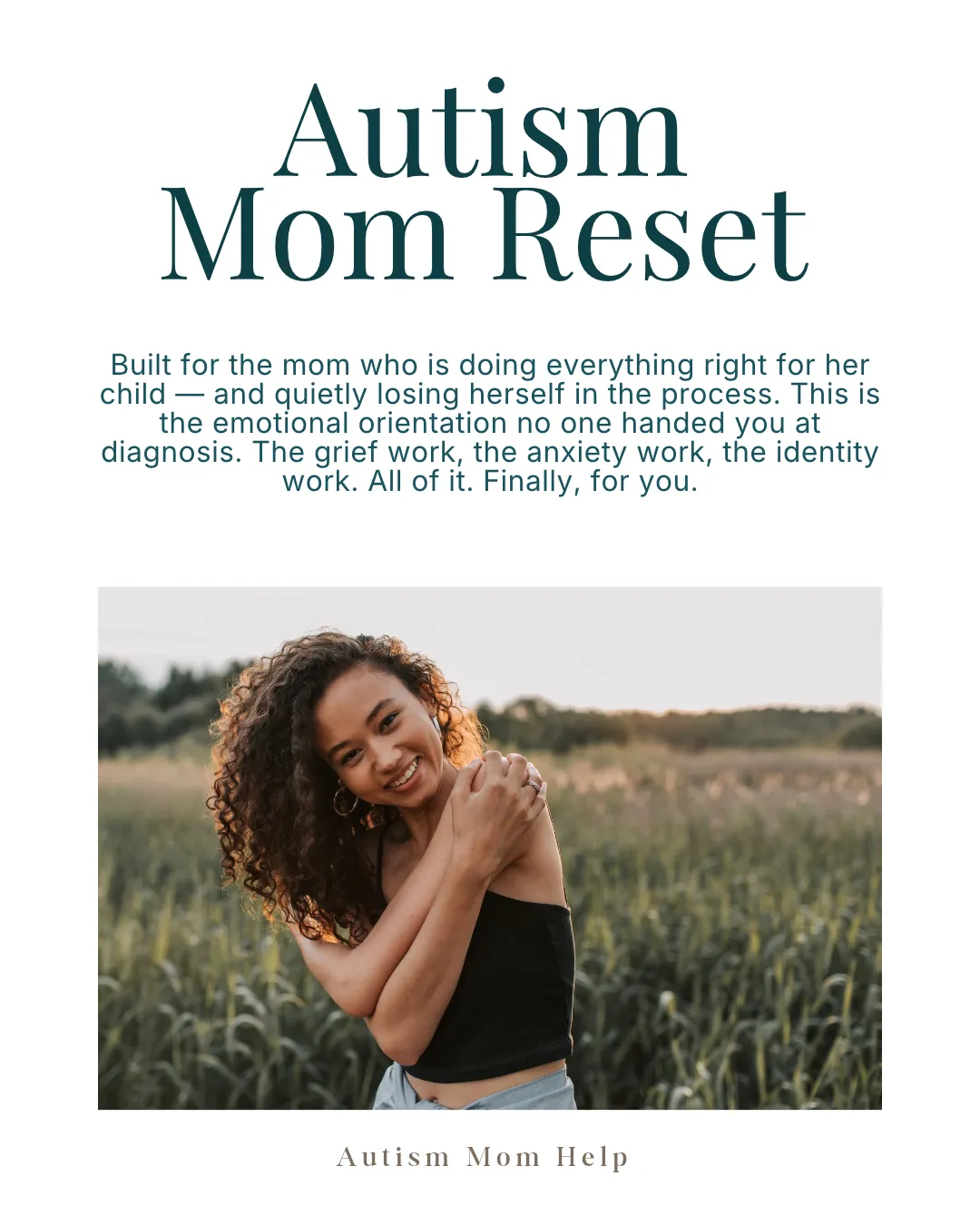
Struggling with Autism Mom Burnout?
This six-module course helps you work through grief, anxiety, self-trust, and finding your voice again, beyond the responsibilities of raising your child.
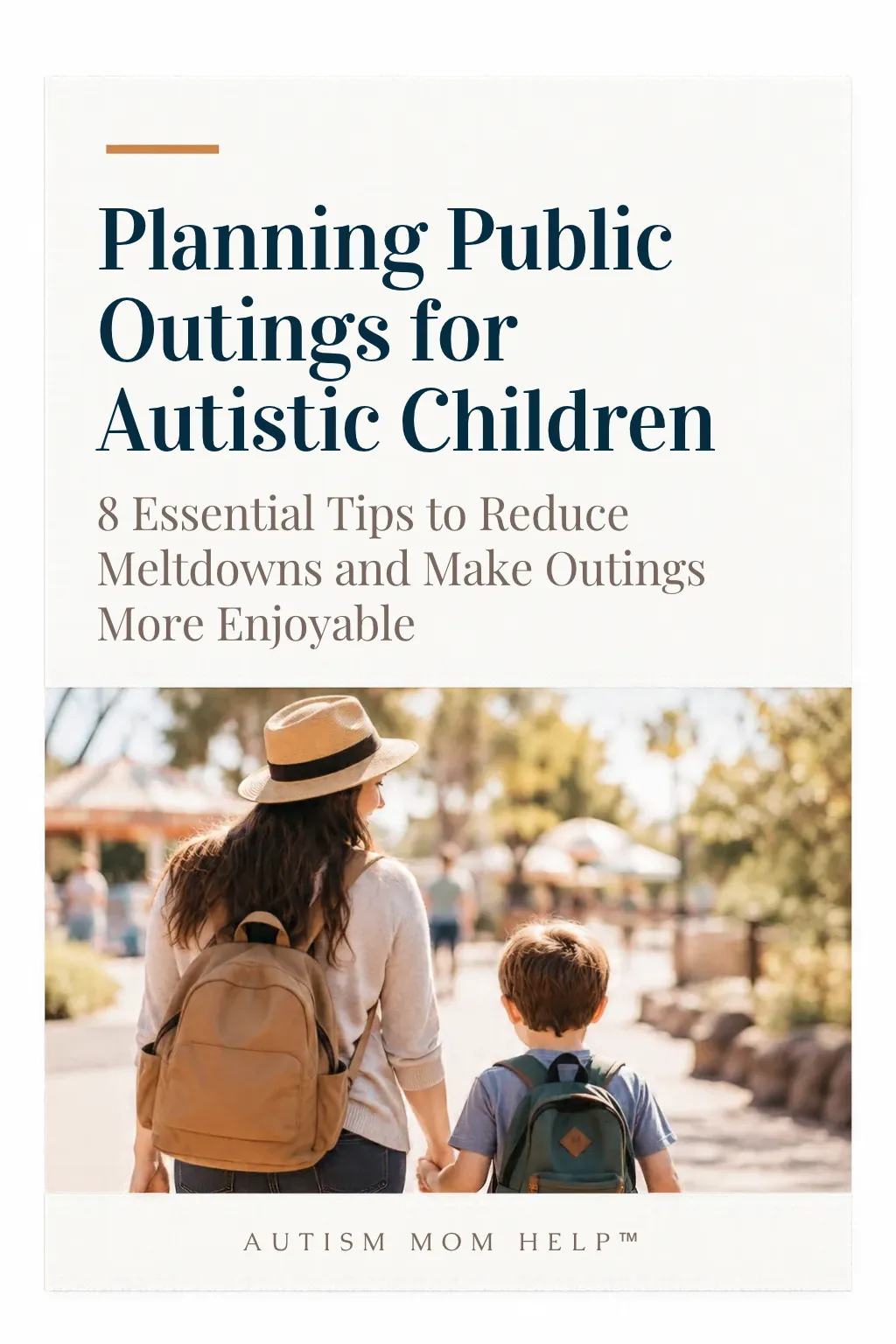
Want to explore our library of articles?
Read practical articles on autism meltdowns, parenting challenges, and caring for yourself while raising an autistic child.
A Little About the Mom Behind Autism Mom Help

Hi, I'm Erin.
I’m a counselor, certified life coach, psychology doctoral student, and autism mom. I created Autism Mom Help because I know how heavy it can feel to love your child deeply while also feeling overwhelmed, anxious, exhausted, and like you've lost the plot on who you are as a human.
After my son was diagnosed with autism, I found myself searching for support that felt both practical and emotionally honest like support that could help with meltdowns, advocacy, nervous system overwhelm, and the soul-shaking identity shift that can happen after diagnosis.
Autism Mom Help was created to offer grounded tools, compassionate guidance, and real-world support for parents who are trying to help their child while also remembering that they matter, too.
Counselor, Certified Coach + psychology doctoral candidate
Autism mom with lived experience
Practical tools rooted in compassion, nervous system support, and real life
Authentic
Empowered
Informed
LET'S CONNECT


COMPANY
CUSTOMER CARE
LEGAL
Copyright 2026. Autism Mom Help. All Rights Reserved.